

The Bitcoin halving is often described as one of the most bullish events in crypto. Reduced supply, long-term scarcity, and historical bull markets all fuel that narrative. But what actually happens right after a halving — in the first 3 to 6 months?
History tells a more nuanced story.
What Is the Bitcoin Halving?
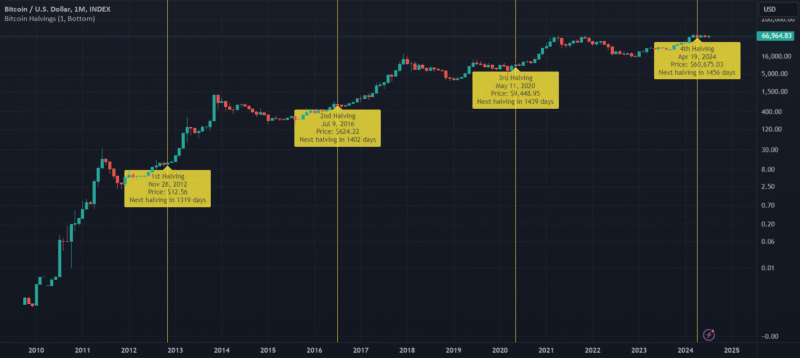
The Bitcoin halving occurs roughly every four years and cuts the block reward for miners in half. This reduces the number of new bitcoins entering circulation, slowing down supply growth.
Halvings took place in:
2012
2016
2020
2024
While the long-term impact has historically been positive, the short-term reaction is often misunderstood.
What Historically Happens After the Halving?
2012 Halving
Price moved sideways for several months.
Major uptrend started later, not instantly.
2016 Halving
Sideways to slightly bearish action for months.
Strong rally followed later as liquidity and demand increased.
2020 Halving
Sideways to slightly bearish action for months.
Strong rally followed later as liquidity and demand increased.
Key takeaway: The halving is not a trigger — it’s a foundation.
Why Bitcoin Often Stalls After the Halving
Several factors explain the post-halving slowdown:
1. Supply Shock Takes Time
Reduced issuance doesn’t immediately impact price. Markets need sustained demand to feel the effect.
2. Miner Adjustment Phase
Lower rewards force miners to rebalance operations. Some sell reserves, adding short-term pressure.
3. Liquidity & Macro Conditions
Bitcoin doesn’t move in isolation. Interest rates, liquidity, and broader risk sentiment matter.
What This Means for the Current Cycle
Rather than expecting an instant breakout, the post-halving phase often looks like:
Choppy price action
Consolidation near key levels
Short-term pullbacks that test investor patience
Historically, this phase filters out weak hands before a stronger trend emerges later.
Key Levels to Watch in the Coming Months
Instead of focusing on price targets, it’s more useful to watch structure:
Higher lows on higher timeframes
Holding major support zones
Declining sell pressure after volatility spikes
These signals tend to appear before larger upside moves.
Final Thoughts
The Bitcoin halving is not a guaranteed short-term catalyst — but it has consistently acted as a long-term accelerator once the market digests it.
Patience, not hype, has historically rewarded investors during this phase.
Understanding what usually happens after the halving helps avoid emotional decisions and unrealistic expectations.
You may also like -> Why Crypto Markets Often Move Sideways After Big News
Disclaimer: This article is for informational purposes only and does not constitute financial advice. Cryptocurrency markets are highly volatile. Always do your own research before making investment decisions.
1 gedachte over “What Happens After the Bitcoin Halving?”